Data pipeline
Course catalogue, scraped and structured
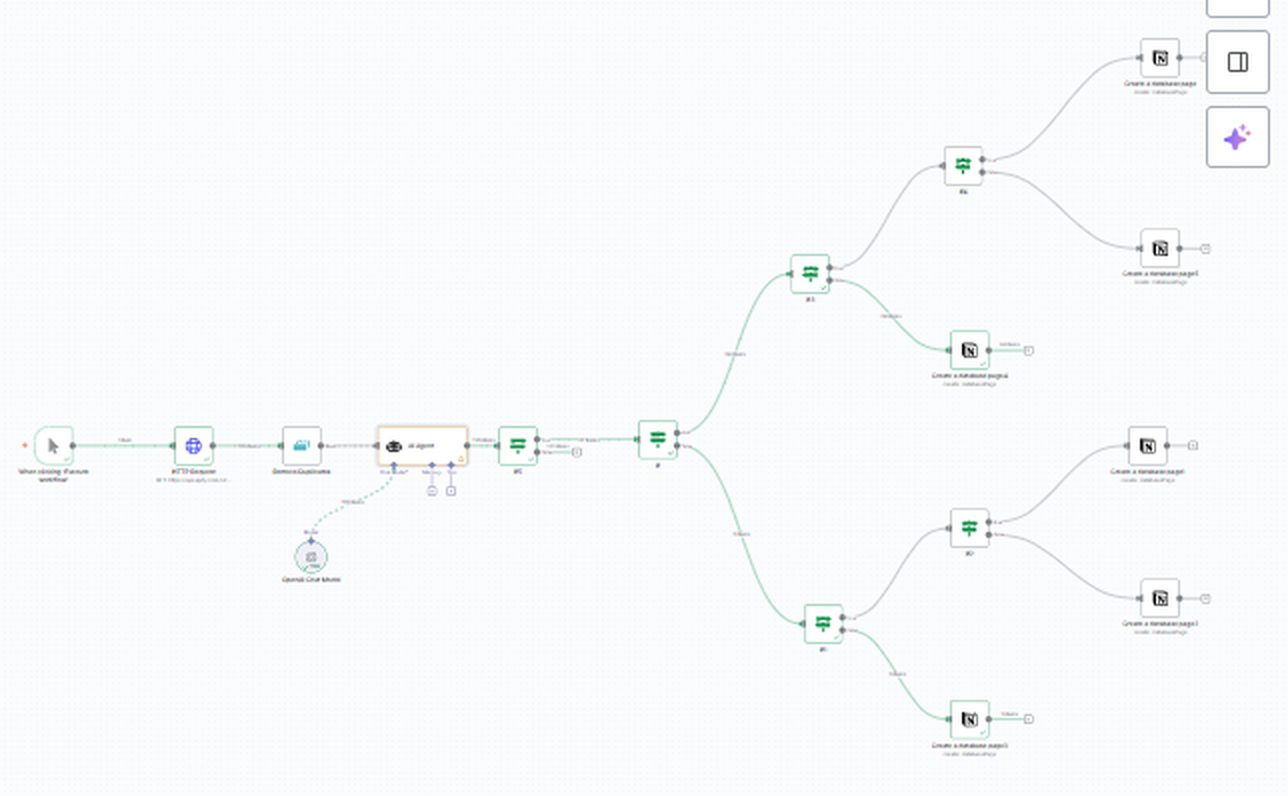
An n8n workflow pulls the catalogue, sorts it, and creates every record in one run.
Workspaces, automations, applications, websites, internal tools. We work out how the business should run, then build the thing that runs it.
01Selected work
An n8n workflow pulls the catalogue, sorts it, and creates every record in one run.
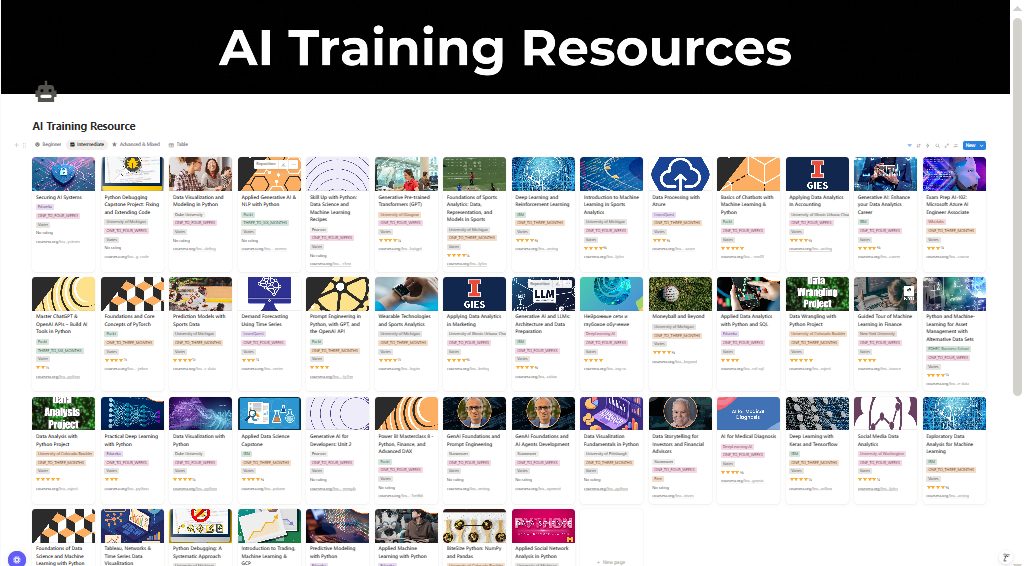
Filterable by provider, rating and level. Rerun the pipeline and it stays current.
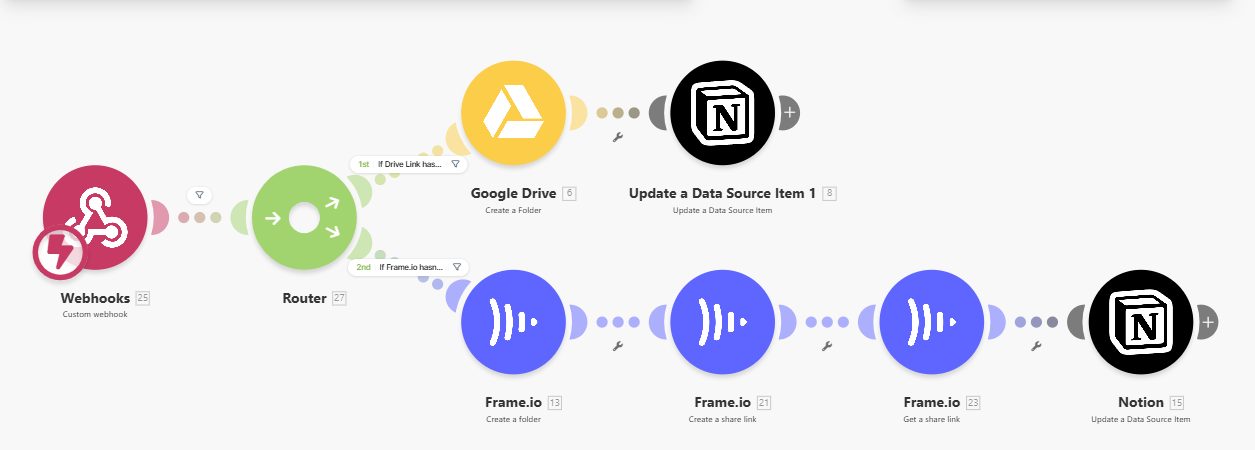
A webhook checks what exists, builds the missing piece in Drive or Frame.io, and writes the link back.
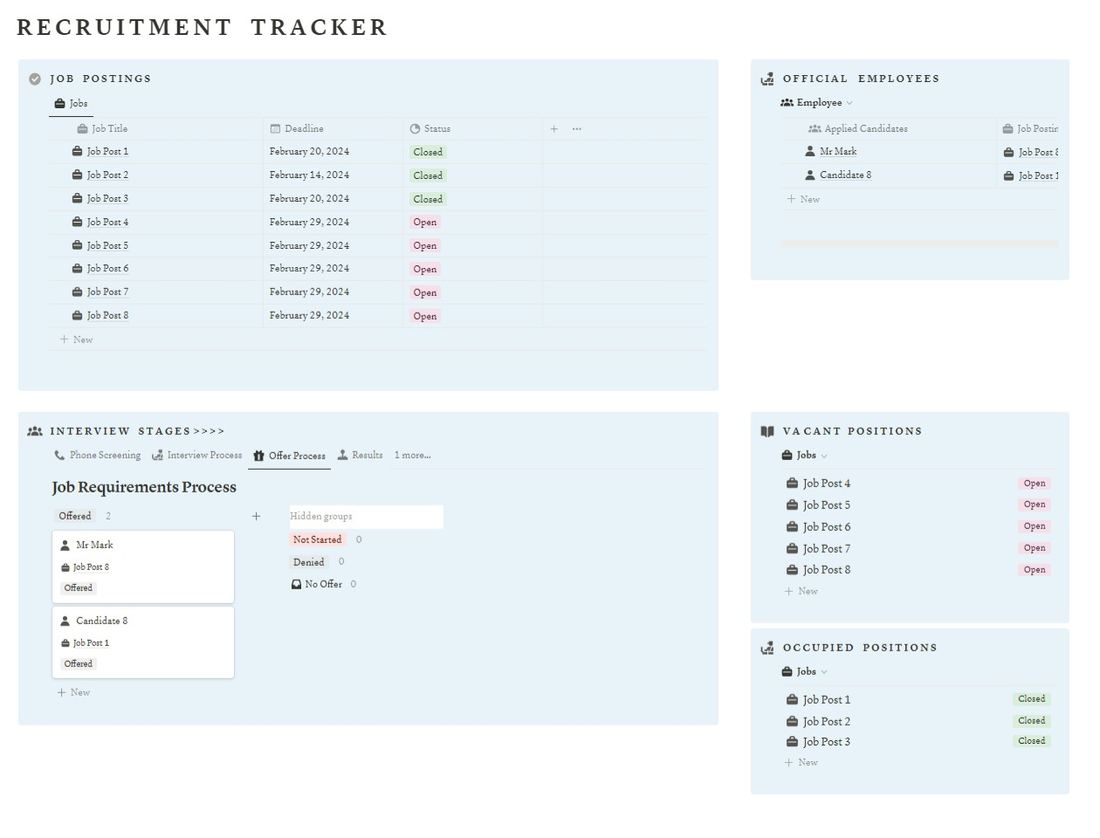
Roles, candidates and stages as connected databases. Position views update themselves.
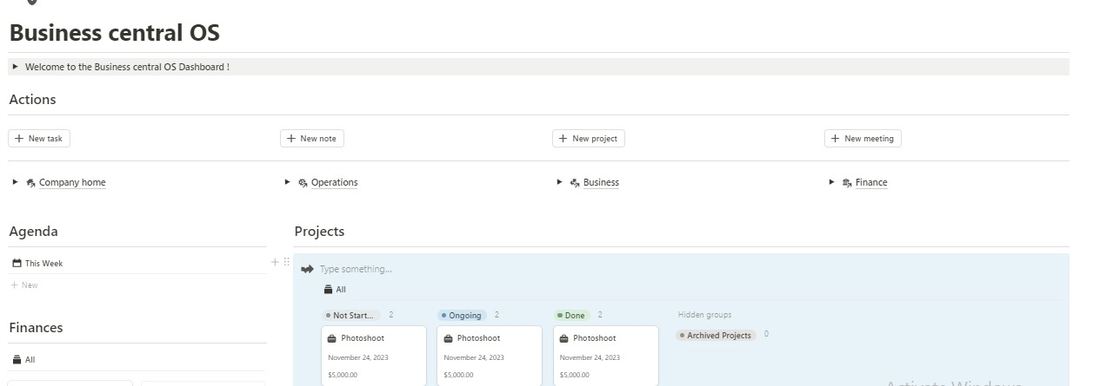
Eight departments over one shared core, with access handled properly.
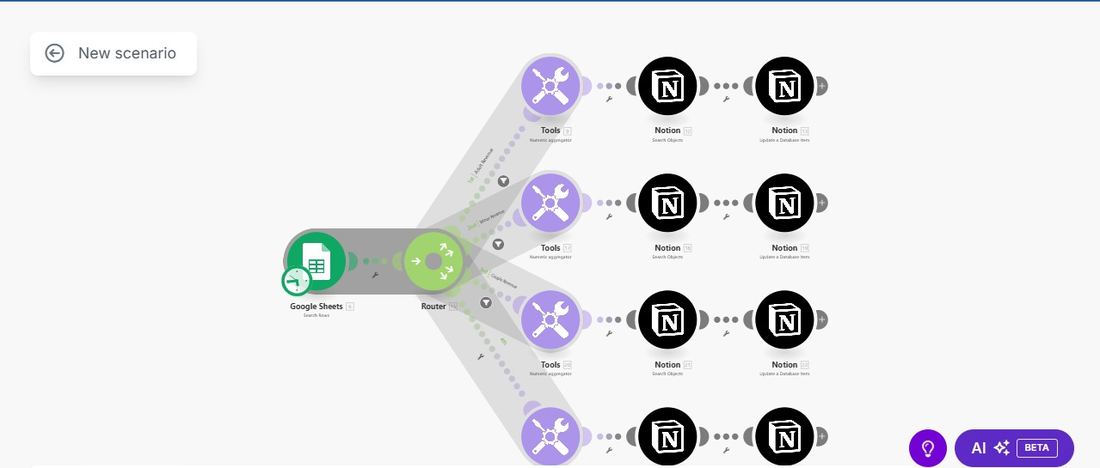
Figures aggregated per branch and written straight into the reporting system.
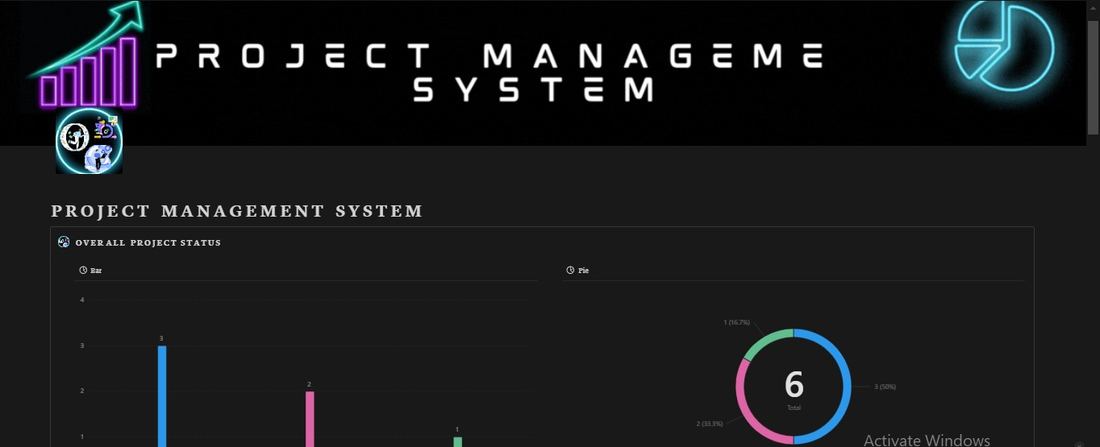
Status charts driven off the live project data, not a manual summary.
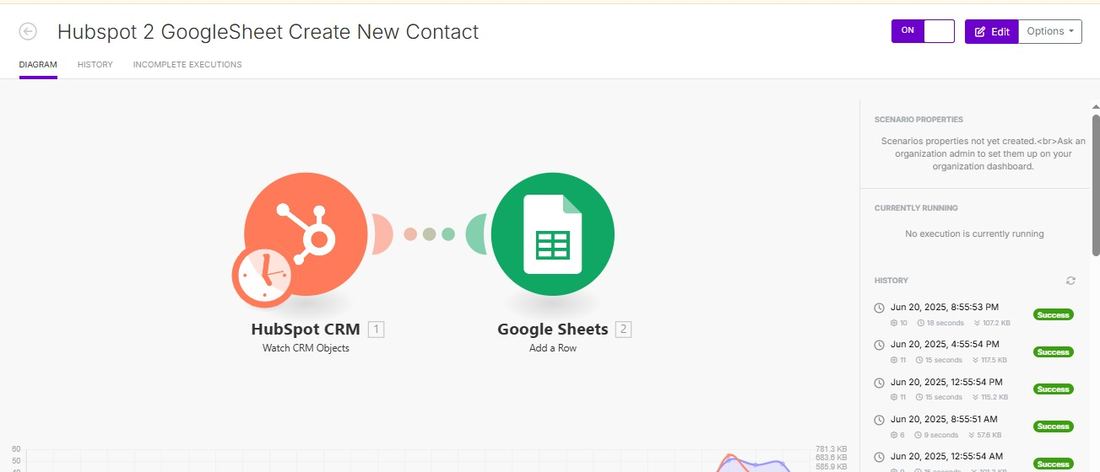
New contacts land where the team needs them. Running in production.
The client needed a curated, searchable body of AI and data training material. Assembling it by hand would have taken weeks and been out of date immediately, so we built the collection process instead of the collection.
The workflow requests the source catalogue, passes each result through a sorting step, and then splits into several branches that each create records in the destination library. One run builds the whole thing. When the source changes, you run it again.
The marketing team was creating a storage folder, setting up a video review space, and pasting both links back into their tracker by hand, for every single piece of work.
Now a webhook fires when the record is created. A router checks what's already there and takes one of two paths: build the Drive folder, or build the Frame.io space and generate a share link. Either way the link is written straight back to the record that started it. Nobody copies a URL any more.
Recruitment runs on the relationship between three things: the roles you're filling, the people you're considering, and the stage each pairing has reached. In a spreadsheet, that relationship is maintained by hand and drifts within weeks.
Here, postings, candidates and employees are separate connected databases. Vacant and occupied positions aren't lists anyone updates — they resolve from the underlying status. Move a candidate a stage and every view that depends on it updates too. The records shown are placeholders.
02The situation
03What we build
We map how work actually moves through your business, find where it breaks, and design the structure it should run on — the workflow, the data, and how the pieces relate.
This is the step most people skip, and skipping it is why most systems fail. You can buy it on its own.
Workflows that trigger themselves, route based on conditions, talk to APIs, and move data between tools that were never designed to work together.
Built across Make, n8n and direct integrations — CRM, telephony, messaging, cloud storage, video review, spreadsheets.
The environment your company works inside: connected databases, pipelines, dashboards, CRM and workflow systems, internal tools, client portals, and the web applications and sites that sit on top of them.
SOPs tied to the live workflow, onboarding systems, internal knowledge bases.
Most builders skip this, which is how you end up dependent on them. Every engagement ends with your team able to run and extend the system without us.
04How we work
We follow the work through the business as it actually moves, not as the org chart says it should.
We design the structure: what you track, how it connects, where decisions happen. Tool choices come last.
In stages, with the part that hurts most going first, so it earns its keep before it's finished.
Documentation written for the people who'll use it. We're done when you don't need us.
05Who is behind this


The Monarch Systems started with a systems problem of its own. Momoh built structured environments to organise his own work, then found businesses around him failing the same way — only at greater scale and greater cost.
The method came out of that: diagnose before building, work out how things connect before choosing a tool, and treat documentation as part of the system rather than an afterthought.
06Getting started
Most conversations start with a description of the mess. That's the right place to begin — the shape of the problem usually tells us what needs building.